Innovations and Importance of 3D Animation
Twenty years ago, 3D animation was something you saw in feature films and big-budget commercials. Today it is one of the most practical communication tools a business can own. From a single photorealistic product render to a full explainer showing how a downhole tool works two kilometres underground, 3D animation lets companies show what cameras cannot capture and words cannot explain.
In this article we look at the innovations reshaping 3D animation in 2026 and why it has become essential for product, industrial, energy and commercial brands, especially in a technical market like Calgary and Alberta
What Is 3D Animation, and Why Does It Matter More Than Ever?
The benefits, with numbers attached
3D animation is the process of building digital objects, environments and characters in three-dimensional space, then bringing them to life through movement, lighting, materials and rendering. Unlike 2D animation, a 3D scene can be viewed from any angle, lit like a real set and rendered with physically accurate materials.
That flexibility is exactly why it matters. Modern buyers, investors and engineers expect to understand a product before they commit. A well-made 3D animation compresses hours of explanation into a 60-second sequence that anyone, from a procurement manager to a field technician, can follow.
Key Innovations Driving 3D Animation Today
1. Real-time rendering and GPU acceleration
The biggest shift of the last decade is speed. GPU render engines such as Octane, Redshift and Arnold GPU can produce photorealistic frames in minutes rather than hours. Real-time engines, originally built for games, now power product configurators, virtual showrooms and live presentations. For clients, this means faster revisions, more creative iterations within the same budget and shorter delivery times.
2. Physically based materials and lighting
Physically Based Rendering (PBR) simulates how light actually interacts with steel, glass, liquids, rubber or painted surfaces. Combined with HDRI lighting and global illumination, it delivers renders that are often indistinguishable from studio photography. For product visualization, this means a digital pack shot can replace an expensive photo shoot and be reused across packaging, web, print and video.
3. Simulation and dynamics
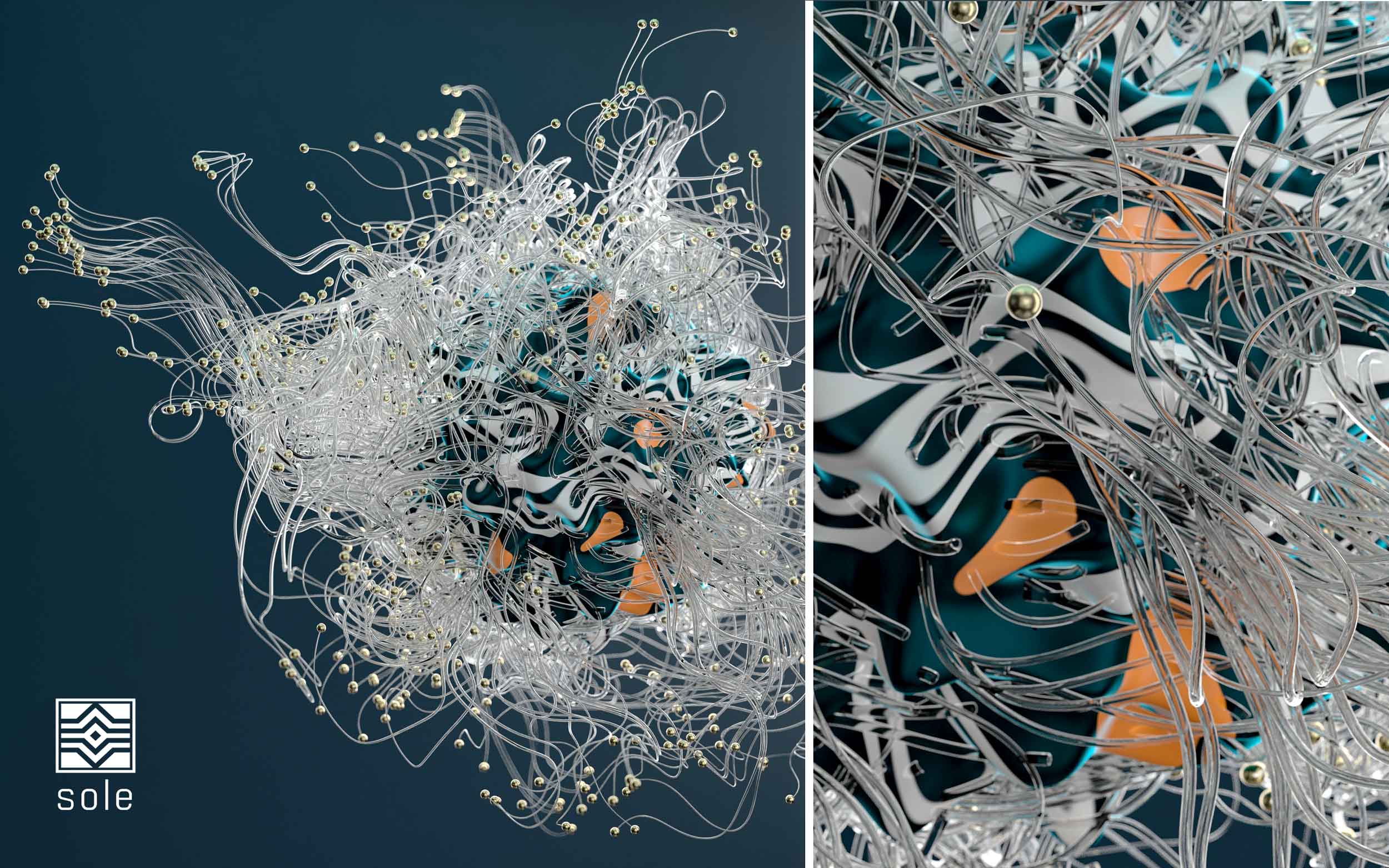
Fluids, smoke, gas, particles, cloth and rigid-body physics can now be simulated with high accuracy. This is critical for industrial and energy clients: visualizing multiphase flow in a pipeline, fracturing fluid in a formation, steam injection in a SAGD process or a gas leak scenario for safety training. Simulation turns invisible processes into clear, credible visuals.
4. CAD-to-animation pipelines
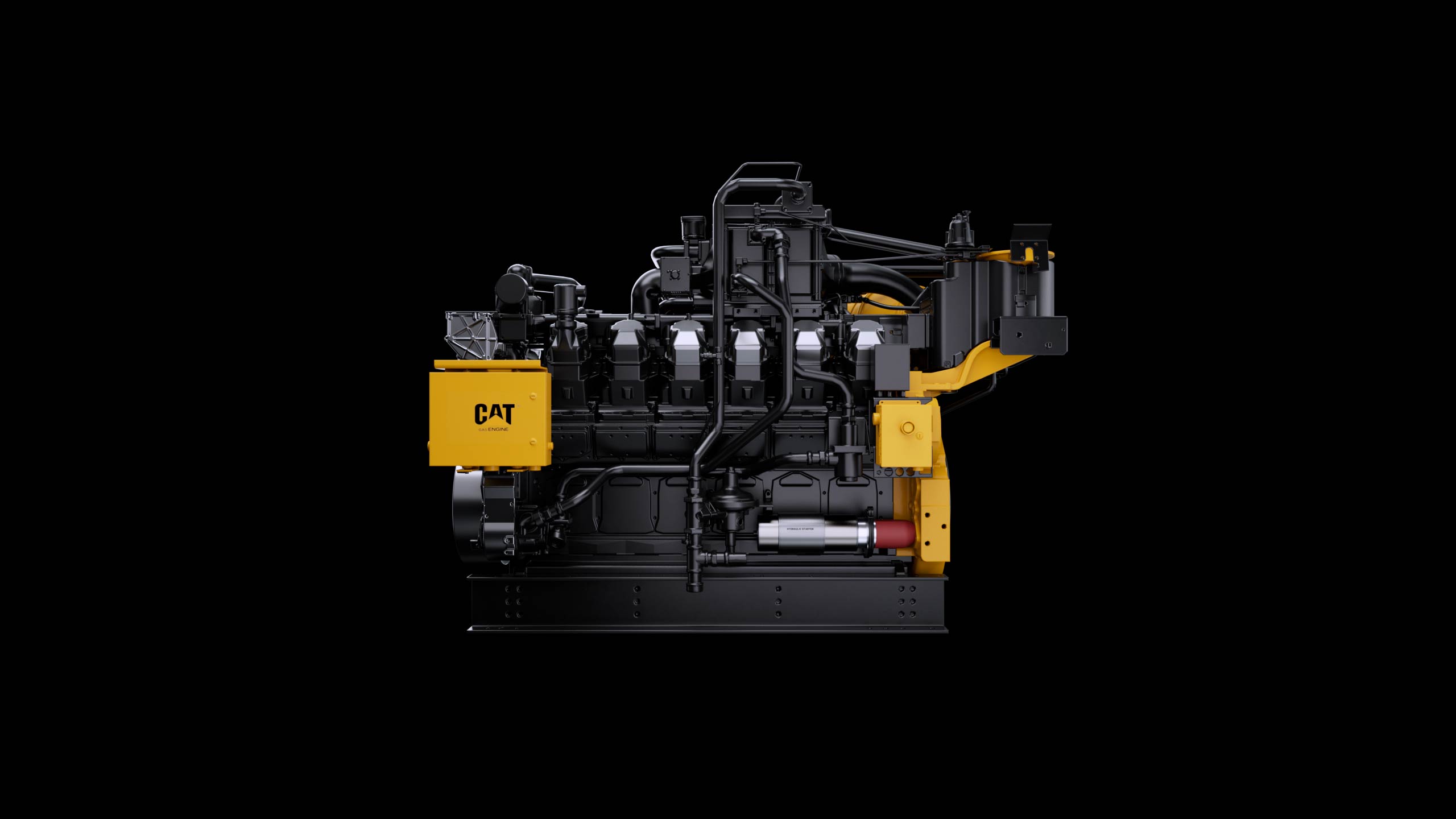
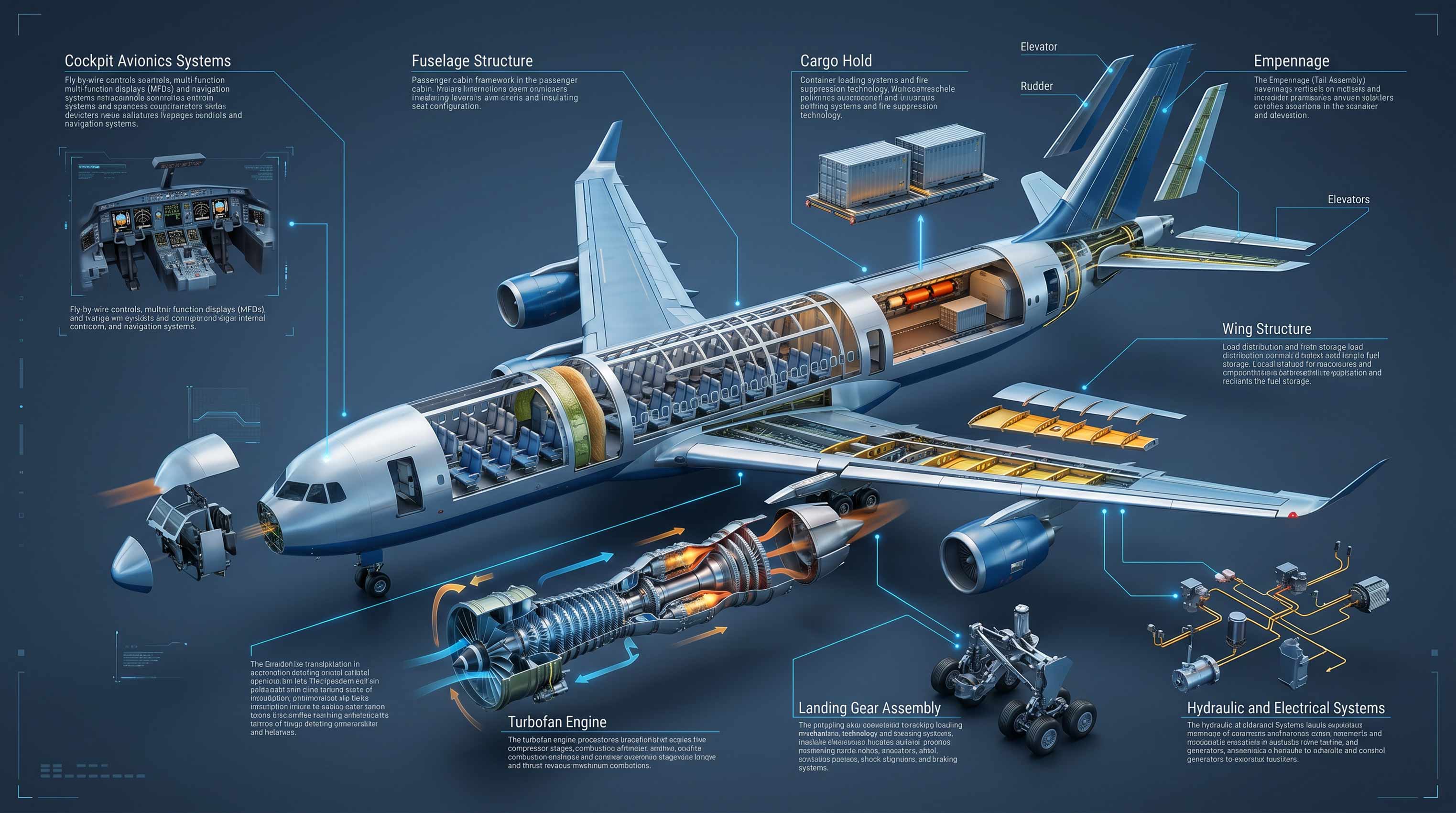
Engineering teams already have the geometry. Modern pipelines import CAD files (SolidWorks, Inventor, STEP, Fusion 360) directly into 3D animation software, preserving exact dimensions and assemblies. The result is an accurate machinery walk-through, assembly sequence or how-it-works explainer built from the real design data rather than an approximation.
5. AI-assisted workflows
Artificial intelligence is accelerating the less creative parts of the pipeline: denoising renders, generating texture variations, cleaning up motion capture, upscaling footage and automating rotoscoping. AI does not replace the artist's eye for storytelling and technical accuracy, but it shortens production cycles and lowers costs for the client.
6. Procedural and node-based content creation
Tools such as Houdini and Blender's Geometry Nodes let artists build environments, terrains, crowds or industrial layouts procedurally. Change one parameter and the whole scene updates. For concept-to-render visualizations of products still in development, this means engineering changes can be reflected quickly without rebuilding from scratch.
7. Virtual and augmented reality
3D assets created for an animation can be repurposed for VR training modules, AR product demos and interactive trade-show experiences. One investment in accurate 3D models pays off across multiple channels.
Why 3D Animation Is Important for Businesses
It explains what cameras cannot film.
You cannot put a camera inside a wellbore, a running turbine or a sealed valve. 3D animation can cut away housings, slow down processes, exaggerate scale and show internal mechanics with complete clarity. This is why oil and gas companies rely on downhole tool animations and drilling and completion explainers for trade shows and investor decks.
It sells products before they exist
Prototypes are expensive and slow. A photorealistic 3D product visualization allows marketing to start, pre-orders to open and investors to be pitched while engineering is still finalizing the design. Cleantech and engineering start-ups in particular benefit from concept-to-render visuals.
It improves comprehension and retention
Viewers retain visual information far better than text. A 3D explainer video reduces the cognitive load of technical documentation, which translates into shorter sales cycles, fewer support questions and better training outcomes.
It creates reusable digital assets
Once a product is modeled, textured and lit, it becomes a permanent asset. Digital pack shots can be re-rendered in new colours, environments and angles for every campaign, catalogue and website update, without another photo shoot.
It builds brand credibility
Cinematic-quality visuals signal that a company is modern, precise and confident in its product. In competitive B2B markets, that perception often decides who gets the meeting.
3D Animation in Calgary and Alberta: A Technical Market
Calgary runs on energy, engineering and manufacturing. These industries build complex, often invisible products, which makes 3D animation especially valuable here. Typical applications include:
1. Oil and gas / energy: downhole tools, drilling, completion and production processes, SAGD, hydraulic fracturing and pipeline visualizations.
2. Industrial and manufacturing: machinery walk-throughs, assembly sequences and how-it-works explainers generated from CAD files.
3. Engineering and cleantech: concept-to-render visualizations of products still in development.
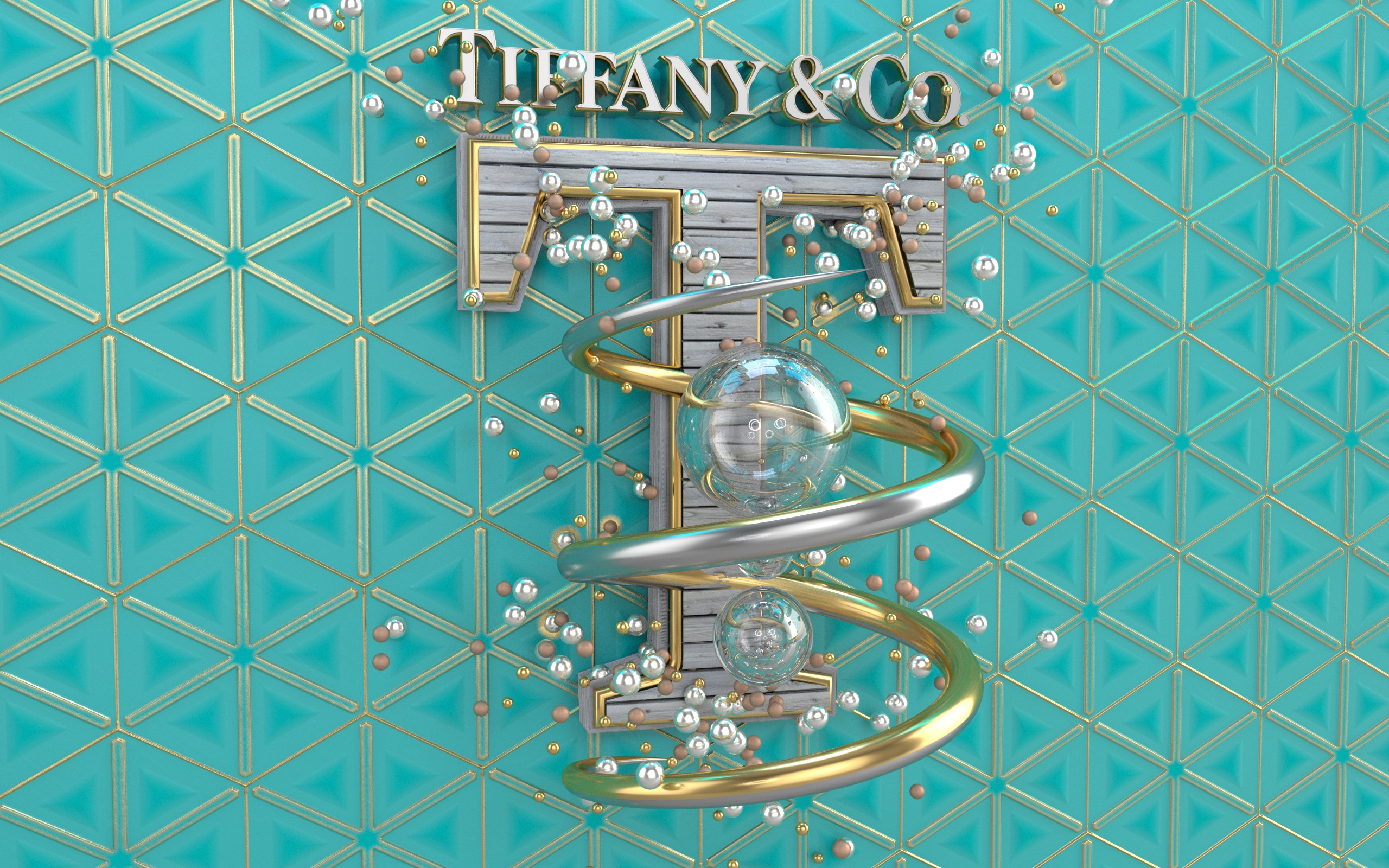
4. Commercial brands: product visualizations, packaging pack shots and broadcast-ready commercials.
Our 3D Animation Calgary, Industrial, Commercial, Modeling, Rendering works alongside local engineering, energy and product teams to turn dense technical concepts into clear, photorealistic visuals.
How a Professional 3D Animation Is Produced
Innovation in tools only pays off when it is paired with a disciplined process. A typical professional pipeline includes:
1. Storyboard: mapping the structure, flow and key messages so nothing is missed.
2.Modeling: building custom, dimensionally accurate models of products and environments, often from client CAD.
3.Animation: bringing the models to life through keyframed motion or real-world dynamics and simulation.
4.Lighting and texturing: applying physically accurate materials and lighting for depth and realism.
5.Rendering: generating final frames with engines such as Octane, Redshift or Arnold.
6.Post-production: colour calibration, transitions, 2D motion graphics, lower thirds and final polish.
You can read more about each stage on our 3D Animation Studio Calgary.
The Future of 3D Animation
The next few years will bring even tighter integration between engineering data and visualization, real-time photorealism on standard hardware, and AI tools that handle repetitive production tasks. Digital twins, interactive configurators and immersive training will increasingly draw on the same 3D assets used for marketing animation. Companies that invest in accurate 3D models now will be positioned to reuse them across every emerging channel.