Why Motion Graphics and 3D Animation Matter in Presentations
The slide deck is no longer enough
The benefits, with numbers attached
Ten years ago, a clean PowerPoint could carry a meeting. Today your audience watches professionally edited video all day. Their tolerance for static bullet points has collapsed, and the first few seconds of your presentation now decide whether they lean in or check their phone.
Motion graphics and 3D animation are the two tools that restore that attention. Motion graphics bring typography, icons and data to life; 3D animation shows products, spaces and processes as a camera would see them. Together, they turn a presentation from a document someone reads into an experience someone watches.
For businesses in Calgary and beyond, this is not decoration. It is the difference between being understood and being forgotten. Dante Art Studio builds both as core services for entrepreneurs, brands and agencies, from a single product render to a full digital identity.
Attention is the first thing you win or lose
The opening minute of any pitch, launch or board meeting is a competition. A static deck asks the audience to do the work of imagining what you are describing. An animated sequence does the imagining for them.
Motion triggers reflexive attention. When something moves, the eye follows it. A logo that assembles itself, a chart that grows as the narrator speaks, a product that rotates on a turntable: each of these pulls focus back to your message without a single extra word spoken. In a room where people are also on laptops and phones, that pull is worth more than any font choice.
Complex ideas become simple when they move
Most business presentations are complex by nature. You are explaining a process, a machine, a service model, a data trend or a product with parts the audience cannot see.
Sequence and timing.
Processes unfold in the order they actually happen, so cause and effect are visible instead of implied.
Zoom and isolation.
You can move from the whole system to one component and back, which no photograph can do.
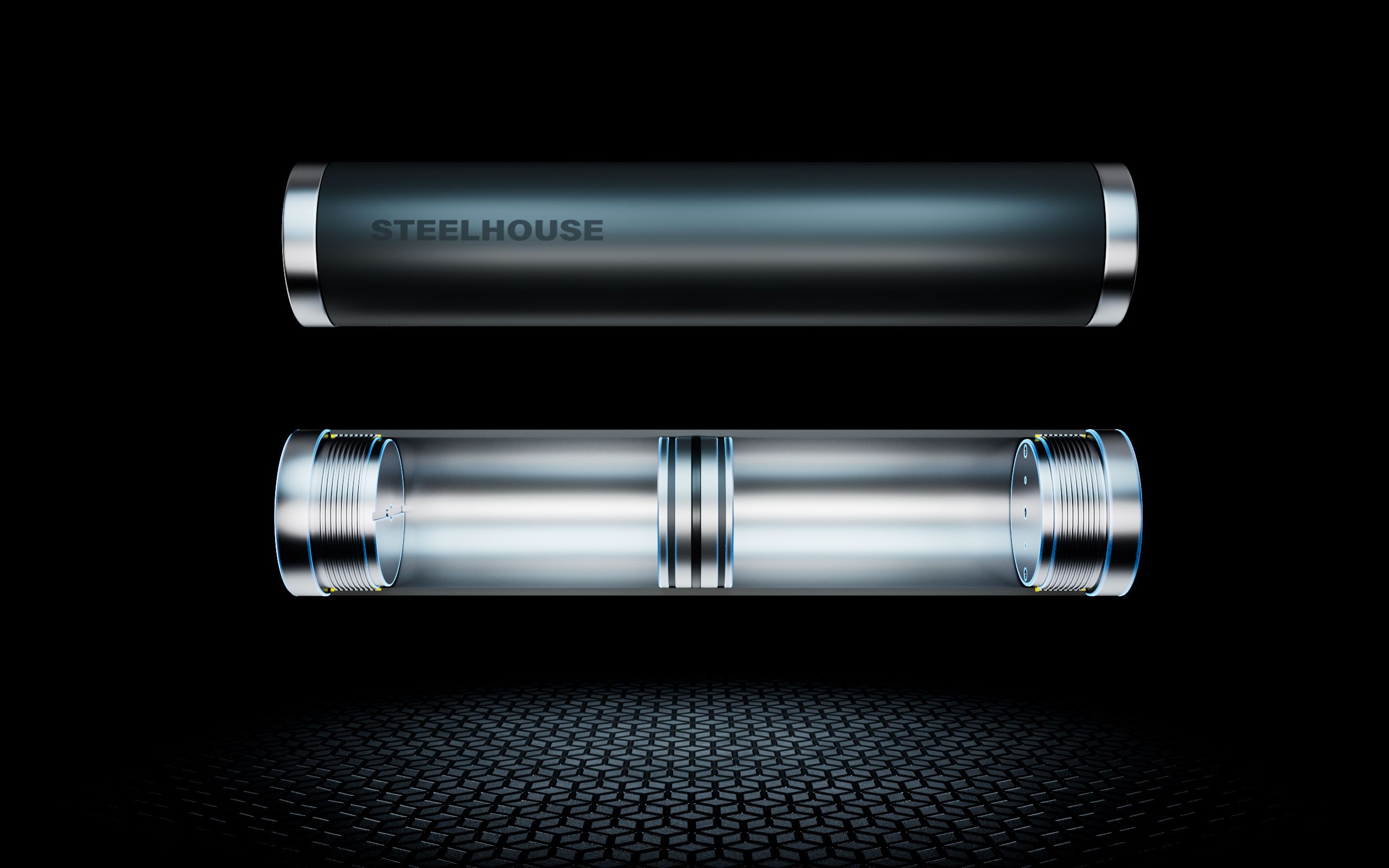
Transparency and cutaway.
Internal structures, hidden mechanisms and layers can be revealed on command.
Data in motion.
A line that draws itself as a narrator explains the trend communicates change and rate at the same time.
This is the difference between telling an audience that something works and showing them how.
3D animation shows what cannot be filmed
Some things cannot be brought into a meeting: a building that is not built yet, a machine that is too large or too dangerous to photograph, a product still in development, or an aircraft interior you cannot access for a shoot. 3D animation solves this by building the subject from scratch, to scale, with full camera control. You can fly inside it, orbit it, strip it apart, or place it in any environment. Photorealistic rendering then makes it credible enough to present to clients, investors or buyers. It is also far cheaper than a physical prototype or a full production shoot when the subject is still in flux.
Motion graphics keep your brand consistent
Motion graphics are where your identity becomes a system rather than a file. The same logo, typeface, colour palette and pacing can be reused across a pitch deck, an intro video, a trade show loop and social clips, so every appearance of your brand looks like it came from the same place. Consistency builds recognition, and recognition builds trust. A brand that looks the same in every channel reads as established and deliberate, even when the company is small.
What our studio can provide for you 3D Animation Studio Calgary.
People remember what they see and hear together
Retention research consistently points the same way: audiences remember far more of a message when it arrives visually and verbally at once, rather than in text alone. Animation layers a third channel on top of that by encoding meaning in movement itself. When a viewer later recalls your presentation, they are more likely to recall the sequence they watched than the paragraph they read. That memory is what carries your proposal from the meeting room into the decision that follows it.
Perceived value is real value
Animation changes how your company is assessed. A polished animated sequence signals investment, competence and confidence. In a competitive pitch, where two suppliers offer similar capability, the one that presents with clarity and craft tends to be trusted with the larger budget. This applies just as strongly to a product launch, a real estate development, a medical device or a training module: when the visual quality matches the quality of the thinking behind it, the audience assumes the thinking is sound.
Common mistakes to avoid
1. Animation without a message. Movement is not communication. Every animated beat should carry a specific point.
2. Overloading the frame. If a viewer has to choose between reading and watching, you have lost both.
3. Using animation to replace clarity. The script should make sense with the screen off.
4. Inconsistency. A spectacular intro followed by mismatched slides undermines the whole presentation.
5. No pacing plan. Animation needs to be timed to the narration and to the room, not to the render.
How to brief this well
Bring your goal, your audience and your deadline, and be specific about what the audience must understand or do afterwards. From there a studio can propose the right mix of motion graphics and 3D work, set a realistic production schedule, and avoid unnecessary modelling. A useful rule of thumb: use motion graphics when the message is conceptual or numerical, and 3D animation when the subject is physical or spatial. Most strong presentations use both.