Why 3D Animation Is Essential for Product Visualization
3D product animation is the process of building a digital model of a product and bringing it to life through motion. Instead of photographing a physical object, designers construct it as a 3D asset — geometry, materials, lighting — and then animate it: rotating, exploding into components, transforming, or interacting with a simulated environment. The result is video that shows the product from any angle, in any context, doing anything you can imagine.
What 3D Product Animation Actually Is.
Static product photos answer one question: what does it look like? 3D animation answers all the others — how does it work, what's inside, why does it matter, and how does it fit into your life. For modern brands competing for attention in a scroll-driven economy, that difference decides whether a product gets understood or ignored.
It sits at the intersection of engineering precision and cinematic storytelling, which is exactly why it has become a default tool for industries from consumer electronics to medical devices to luxury goods.
The Key Benefits.
1. Show what a photo physically can't
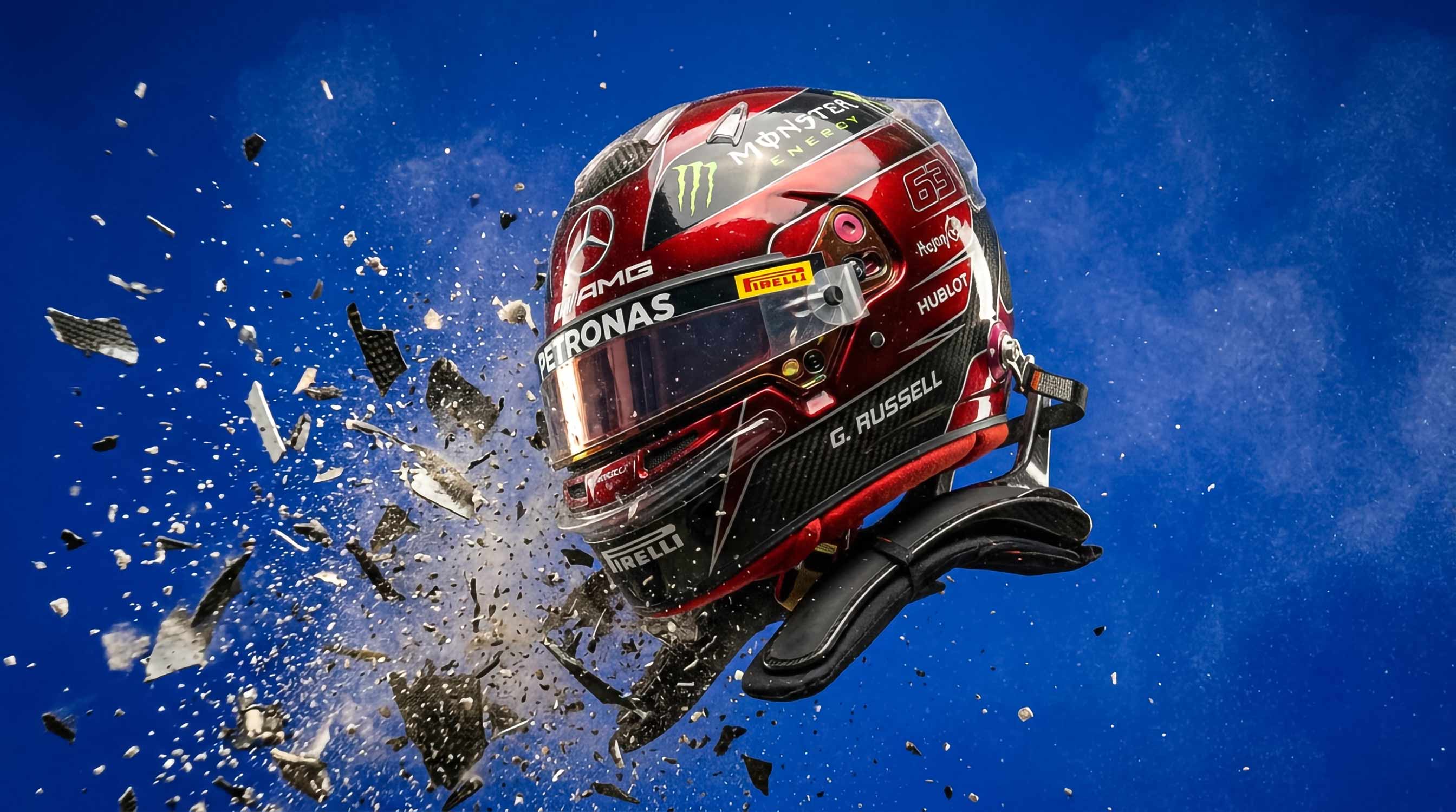
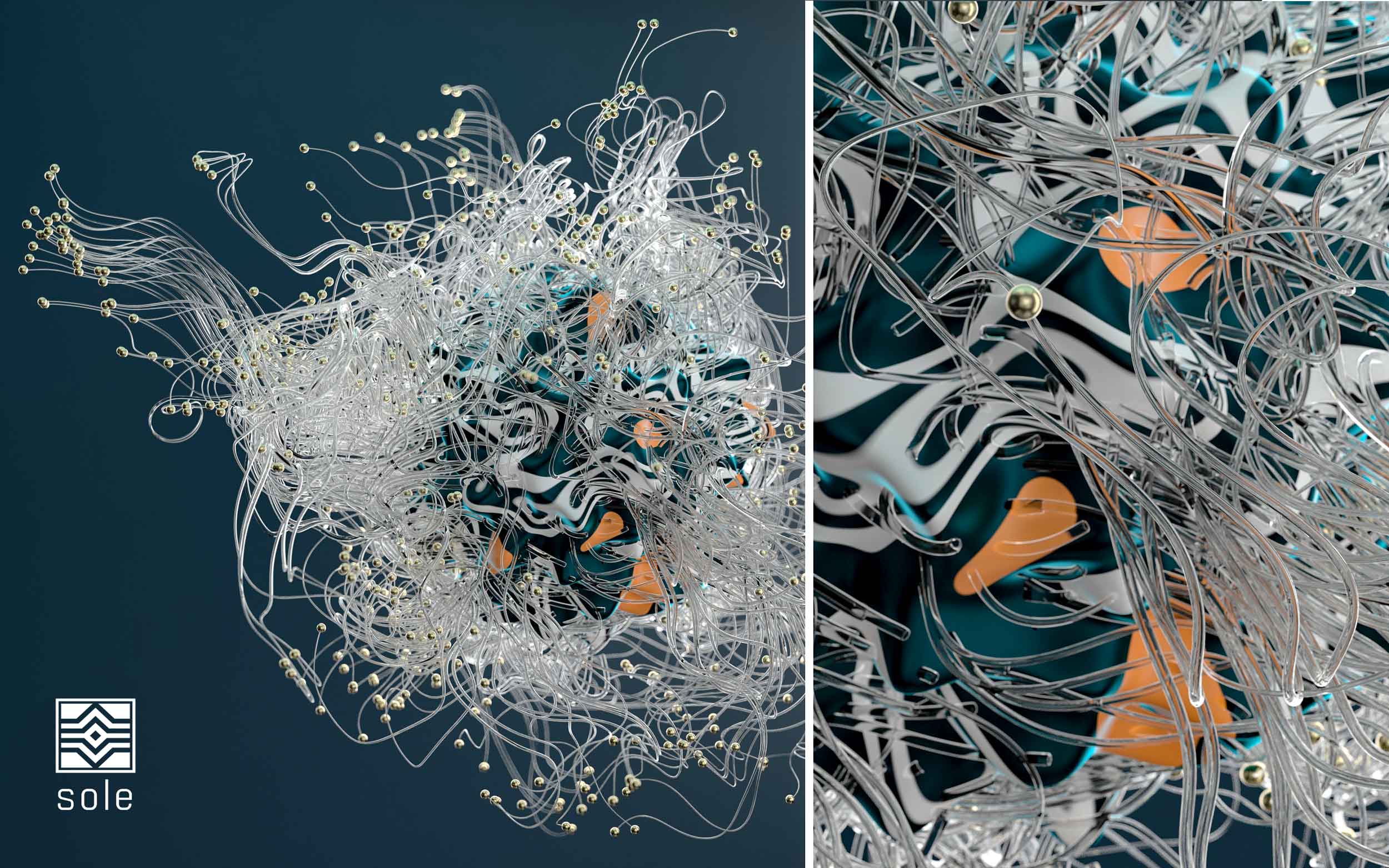
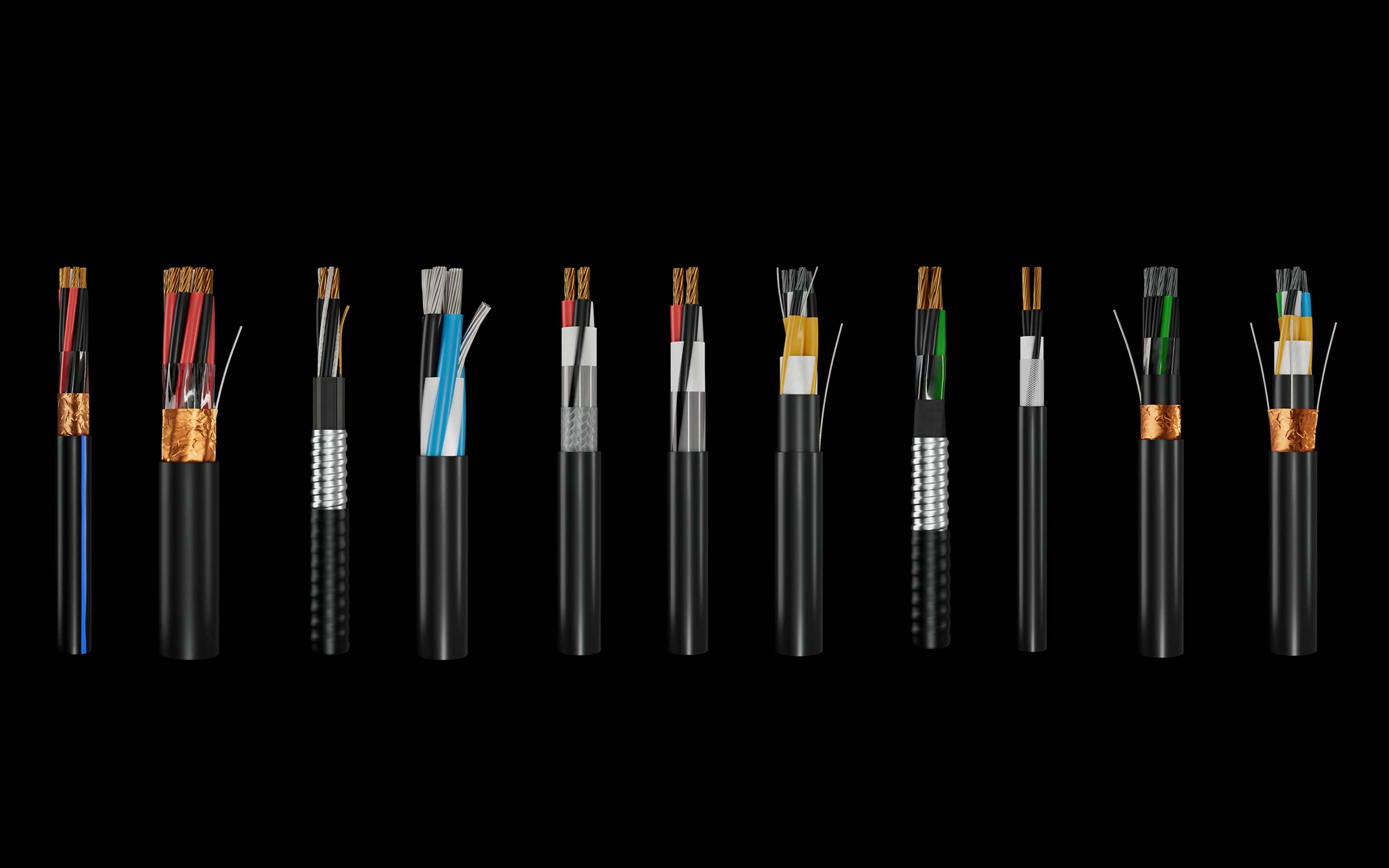
Some of a product's most important features are invisible in a still image — the airflow inside a vacuum, the layers of a mattress, the gears inside a watch, the way a coating repels water at the molecular level. 3D animation makes the invisible visible through cutaways, transparency, exploded views, and slow-motion simulation.
2. One asset, infinite variations
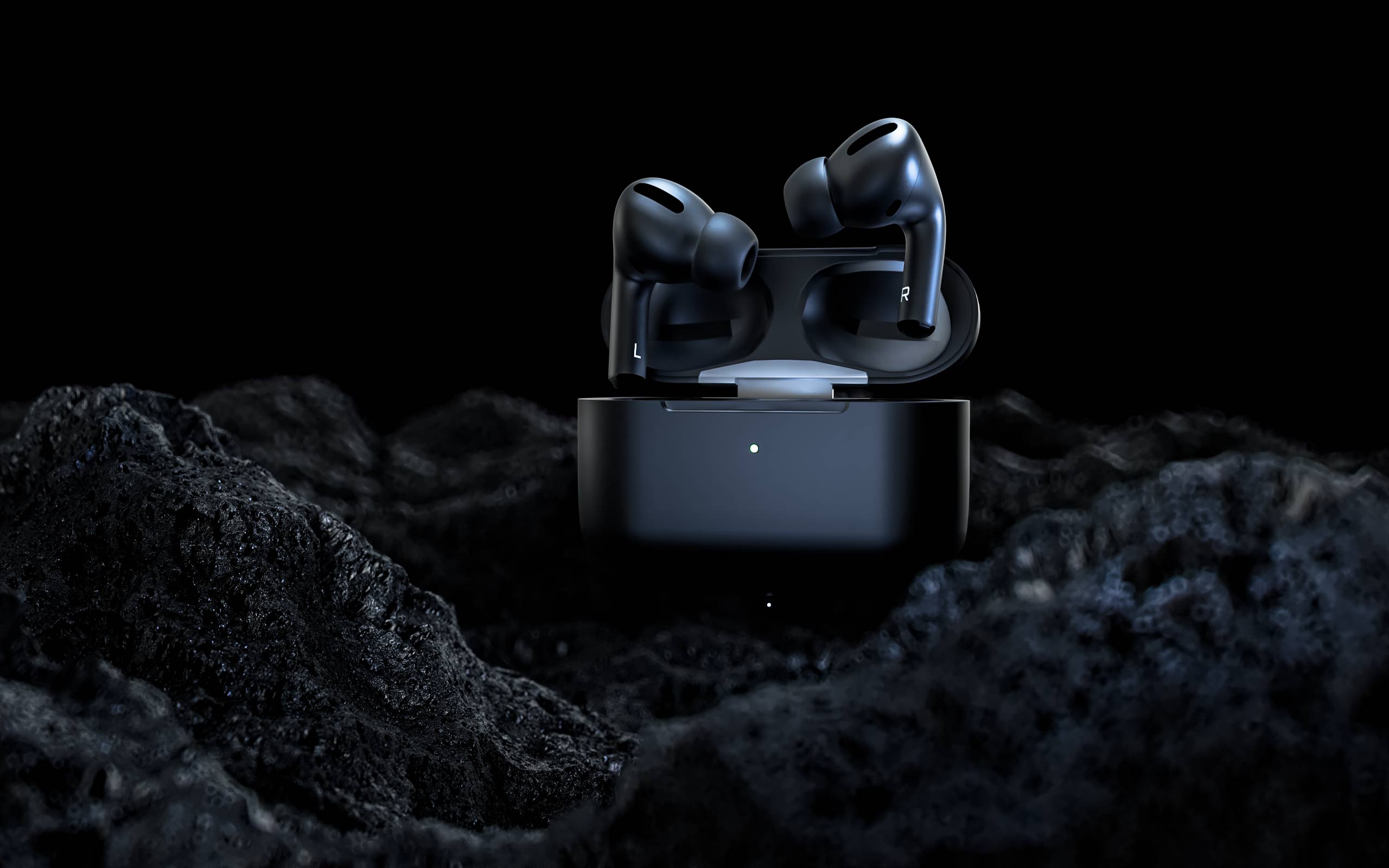
Once a product exists as a 3D model, generating new shots costs a fraction of a photoshoot. Need a different color, a new angle, a seasonal background, or a vertical crop for social? You change a parameter instead of rebooking a studio, a photographer, and a sample unit. This scalability is transformative for catalogs with dozens or hundreds of SKUs.
3. Sell before it exists
3D animation doesn't need a physical prototype. Brands can market, pre-sell, and gather feedback on a product while it's still in development — compressing the timeline between concept and revenue and de-risking launches.
4. Stronger emotional and persuasive impact
Motion holds attention longer than stills and triggers a more visceral response. A rotating, gleaming product with dynamic lighting communicates quality and desirability in a way a flat image rarely matches. This directly supports higher engagement and conversion.
5. Perfect consistency and control
Lighting never shifts, reflections never misbehave, the product is always flawless. Every frame is art-directed down to the pixel, ensuring brand-perfect output every time, across every channel.
The Production Process
A typical 3D product animation moves through these stages:
1. Briefing and concept — Define the goal (explainer, hero ad, e-commerce loop), the key features to highlight, and the visual tone.
2. Modeling — Build the product as an accurate 3D mesh, often from CAD files, technical drawings, or reference photos.
3. Texturing and materials — Apply surface properties: metal, glass, fabric, plastic — so the model reads as real under light.
4. Lighting and environment — Set up a studio or contextual scene with lighting that flatters the product and reinforces the brand mood.
5. Animation — Choreograph the motion: rotations, exploded assemblies, transformations, camera moves, and any simulations (liquid, smoke, cloth).
6. Rendering — Compute the final high-resolution frames, the most processing-intensive step.
7. Post-production — Color grade, composite, add sound design, motion graphics, and text, then export for each platform.
The Competitive Advantages
For a brand, the strategic payoff is concrete:
- Lower long-term cost than repeated physical shoots, especially at scale.
- Faster iteration — revisions are digital, not logistical.
- Future-proof assets that can be reused, re-rendered, and repurposed indefinitely.
- Differentiation in crowded feeds where most competitors still rely on static images.
- Clearer communication, which reduces returns and support questions by setting accurate expectations.
- Omnichannel flexibility — one source asset feeds website, ads, social, retail displays, and AR.